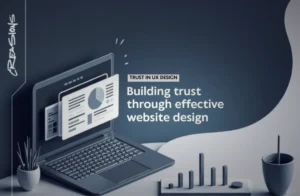
As the 2026 digital-first economy evolves, business websites go beyond online brochures to become intelligent, trust-centered platforms that influence understanding, decision-making, and revenue. In a world where people are bombarded with thousands of digital touchpoints on a daily basis, the web has become the de facto place where credibility is not implied it is lost before gained. In competitive markets such as Dallas where choices are made in a snap and expectations hit an all time high, web design plays a critical role in earning immediate trust and prompting users to engage further. Industry statistics still show that if the site experience is crafted well and practiced through credibility-focused design, you can boost conversion rates. Poorly designed or oversized sites are abandoned within seconds.
At Creasions Digital, the best website design dallas agency, we partner with businesses from all sectors to deliver supported digital experiences and marketing strategies that work. When user behaviors change and technology protocols give way, in 2026 trust will not be based solely on aesthetics but crafted through effective designs choices and clear communications, along with ease of use. This step-by-step guide examines ten fundamental design principles, detailing proven methods that are equally applicable to both traditional graphic design and new era digital experiences, shedding light on powerful tools that any organisation can use to build credibility in the online world with its audience, and create long lasting relationships.
1. The Importance of First Impressions in Web Design
The concept that first impressions happen right away is even more significant in 2026. Google and Stanford research still shows that users make credibility judgments in as little as 50 milliseconds. These choices depend on issues related to layout balance, visual clarity, perceived speed and structural arrangement. For Dallas companies in highly competitive markets, a bad first impression means users go find one of your rivals without actually seeing what you have to offer.
Today’s viewers reflexively equate a show’s production values with its managerial wherewithal. A polished front end signals professionalism, preparedness and attentiveness to detail qualities that translate directly into trust. And, in reverse, a cluttered layout or outdated visuals or slow load times immediately tells risk and uncertainty.
Optimizing Hero Sections for Impact
The hero section of a website is still the most important thing in 2026; it is like an introduction in real life. Successful hero sections immediately relate value with short, benefit-driven headlines supplemented by subheads that speak directly to user interest. Today, hero design is less about dumping information on your visitors and more about clear communication, emotional reassurance and relevance.
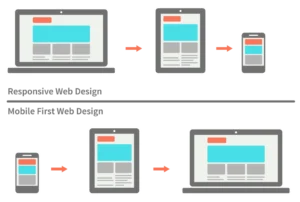
Micro-animations is effective here as gentle fades, hover transitions or scroll-trigger reveals add a polished effect that does not detract from the message. Professional images or small videos in the background still work, but they need to be heavily optimized for speed (aiming at less than 1MB where possible). Mobile-first designs are essential, featuring stacked content, a clear hierarchy and extra-large tap targets for thumb navigation.
Business should test headlines, CTA language and visual emphasis on an ongoing basis by running A/B tests within analytics platforms to fine tune their performance. By following engagement KPIs such as bounce rate, scroll depth and session duration, teams can make sure they are matching hero content with real user behaviour. This is informed design, and ensures the hero section inspires confidence and nudges visitors with clear action.
Balancing Aesthetics with Loading Speed
By 2026, aesthetics can no longer conflict with performance. Users want sites to load as quickly as possible, no matter how complex they may be visually. FCP should be consistently less than one second by today’s standards. Meeting this goal demands strict asset optimization, such as compressing images with WebP or AVIF, deferring nonessential scripts, and eliminating render-blocking resources. Content Delivery Networks are still key to local (and global) load time reduction for Dallas visitors and everybody else visiting from around the world. As part of a periodic review with website speed test tools such as PageSpeed Insights or GTmetrix, these could pinpoint performance bottlenecks before they relegate actual trust of the user. A slick, speedy entrance experience indicates technical competence and lets visitors know that this business doesn’t take forever to come through.
2. Embracing Minimalist and Clean Layouts
Minimal design becomes a norm not a scene by 2026. Clean designs mean less mental load for your users, which in turn makes it more likely they’ll read information you give them, figure out what you’re offering and ultimately act on it. Amid digital exhaustion, simplicity has come to be equated with trustworthiness.
For freelancers and fledgling businesses in Dallas, there’s a lot of power in the simplicity of a minimally-designed page that exudes confidence and clarity. By cutting out unnecessary noise, businesses signal focus, intent, and respect for the user’s time traits that reinforce trust from the outset.
Leveraging White Space Effectively
White space is still one of the most effective means to increase readability and direct attention. Strategic spacing chucks up information, creating a hierarchy and driving attention to the main calls-to-action of booking consultations or asking for quotes. Research shows time and time again that white space used properly increases readability and reduces decision fatigue.
The use of balanced spaces in layouts, which consistently space items (margins and padding around images), and even line spacing enhances organization and peacefulness. This deliberate architecture is subconsciously allowing some trust signals to be reinforced by providing a sense of organization and professionalism.
Choosing Typography and Color Restraint
Typography is (still) crucial to credibility in 2026. The reasons for using clean readable fonts such as sans-serif and system fonts are apparent due to performance advantages and cross-platform compatibility. Consistent typographic hierarchy also means that users can scan content without feeling disoriented.
Color restraint is equally important. A small and tight color palette will minimize visual noise and allow for greater brand recognition. Solid contrast ratios provide accessibility and easy reading on devices. By using typography and color systems consistently from one page to the next, we increase familiarity that gradually give their trust as they visit your site.
3. Displaying Trust Signals Prominently
In 2026, a trust signals are no longer indirect reassurance tool – they are facilitating decision generators which users deliberately seek before doing business online. With increase in cyber-security threats, data misuse and online scams, skepticism has become the order of the day for people while visiting websites. An absence of visual trust cues is an immediate showstopper, no matter how great a site looks.
For Dallas companies especially those in competing or regulated industries – trust signals ease the gap between curious and committed. To the extent that users provide an apparent signal of legitimacy, safety, and accountability they see less reason to hesitate and more reason to trust. They speak the language of trust: that this is a professional business, and one which has been around for so long to be able to protect your interests.
Integrating Security Badges and Certifications
Use of Security Badges One of the most common yet popular trust indicators in web design today are security badges. By 2026, sharing private information, unless they can see SSL certificate encryption and the verified payment gateway logos when actively searching for it. They are visually confirming that data is being treated in a responsible manner, securely.
Badges from known providers (SSL authorities, payment processors, security monitoring services) should be discreetly placed in the vicinity of risky interaction points. Footers ensure that badges are always visible while badge locations such as next to forms, checkout processes or login spaces create proof of trust at decision points. It is important that all certification icons shown are valid and not expired, as outdated or false badges quickly diminish instead of build credibility.
Highlighting Transparent Information
Transparency is now one of the strongest indicators of credibility in 2026. People want businesses to tell them their identity, where they are and how to call or buy from them. Discreetly listed phone numbers, local addresses and email contact information give users a sense that they are interacting with a legitimate and responsible company.
And for Dallas-based companies, displaying an indisputable local presence will just add to that trust. Inlaid maps, concise directions, and place-based references minimize the unknown and cement confidence in of-the-place stories. Also, privacy policies, terms of service and refund policies should be drafted in clear language—not legalese. Transparency is respectful of users and a sign of ethical commerce.
4. Leveraging Social Proof with Testimonials
Social proof is still one of the most powerful trust signals in 2026. With users becoming more skeptical of marketing rhetoric, individuals depend on the experiences of other users to help affirm decisions. Customer Testimonials, reviews and case results are tangible evidence when a business fulfills its commitment.
For businesses that have Dallas as a target market, local social proof is even more powerful. For example, if visitors can see feedback from their industry, neighborhood, or region clients are able to make a stronger connection with the advice and be confident that the service is meeting their needs.
Designing Authentic Testimonial Sections
The cornerstone of any good testimonial design is authenticity. In 2026 users can quickly recognize vague or generic endorsements, and it does more harm than good. Strong testimonial sections provide elevated feedback that details a particular problem, the solution that was offered, and measurable results.
Client names, titles, company name, and visuals like their headshot or logo provide credibility and human context. Clients should be able to read through the testimonials without being inundated. Engagement is maintained through interactive elements like sliders or categorized displays; a couple of short video testimonials bring the emotional tone and expression back into the overall voice.
Incorporating Third-Party Reviews
Third-party review sites are also important to credibility, as they provide independent verification outside of a company’s own website. Including reputable reviews shows potential customers that feedback has not been censored or edited in any way.
Aggregated ratings near important calls to action reinforce decision certainty. Review responses are just as valuable. Handling praise and complaints professionally will make you look accountable and transparent, and your clients can trust that it’s always about making them satisfied. Such visible responsiveness generates trust that carries well beyond the initial interaction.
5. Using Authentic Professional Imagery
Visual credibility is just as strong a trust signal in 2026. Because users are bombarded with so many different websites each and every day, they can spot generic stock photography the moment they see it and usually react negatively. Real imagery helps you tell your story, and focus on what makes a business real rather than faceless.
Original images for Dallas businesses speak of its location, professionalism, and proximity. They also assist visitors in feeling they are interacting with real people, and not simply disembodied brand characters
Benefits of Custom Photography
Use of custom photography shoots to showcase your team, office, and process in an authentic and accessible manner. Looking at actual employees teaming up or engaging with clients allows visitors to imagine working with the company, lowering uncertainty and inhibitions.
Once again, it is just adding local context to further increase trust. While bringing them home and featuring well-known regional imagery helps not to overwhelm the message. Real photography supports honesty and indicates a belief in the legitimacy of what they do.
Optimization and Alt Text Strategies
As much as authenticity matters, performance is also essential. Images should be processed and optimized with appropriate modern formats to keep them fast despite how far they are being served across devices. Images are loaded on-demand so they don’t slow down performance.
Descriptive alt text is good for accessibility and search rankings. Alt text does not have to be packed with keywords, rather it needs to reflect the context and purpose of the image. Uniform exposure, composition, and visual tone between the relevant images further reinforce that sense of professionalism and branded advertising.
6. Prioritizing Intuitive Navigation
The structural design of the navigation system makes a difference in users’ perceptions of control, clarity, and dependability. By 2026, visitors should be able to readily see and understand what is there — or not. Bad navigation is like friction – it spikes the bounce rate and eats away at trust, even if you have good content.
Business sites need to be an intuitive experience through prediction as well as supportive of the user’s goals rather than forcing them to search.
Mobile-First Navigation Strategies
Mobile is on the rise and rising, and navigating needs to be thought about mobile first. Menus need to be accessible, well-named, and intuitive. Tap targets need to be sizable so as not to misclick, and they must not be too close together for use on small screens.
Search has increasingly become a key navigational control, particularly for content heavy sites There are search autocomplete features which will help users get to information more quickly, building a sense of efficacy and competence.
Advanced Features for Complex Sites
For bigger websites, more advanced navigation will help usability and confidence. Sticky menu/header does not disappear and leave a user stranded with no way to access the main menu or even get home. Clear dropdowns that do not inundate the user.
Constantly testing usability means the menu is in tune with genuine user flow. Periodic refinements show dedication to the user experience and build trust over time.
7. Optimizing for Performance and Speed
When it comes to trust, website performance matters in 2026 and people continue to want things now! Websites that are slow to load, even by seconds, can lose people to competitors who show less struggles with technical. In Dallas where the fight has gone tech-savvy, business is done at Internet speed, a digital optimization of operations that is no longer optional.
Planning for Core Web Vitals in 2026
Google’s Core Web Vitals now also account for new responsiveness metrics: Largest Contentful Paint (LCP), Cumulative Layout Shift (CLS) and Interaction to Next Paint (INP). LCP is a measurement that is intended to benchmark your loading efficiency, targeting less than 2.2 seconds for ideal trust signaling. CLS checks visual stability so that layout shifts don’t jolt users, and a good aim is under 0.1 whereas INP tests for responsiveness so interactions occur in under 180ms, hitting these targets regularly sends signals of reliability and care to website maintenance.
Advanced Optimization Techniques
Beyond vanilla image compression, implement AI-driven CDNs for adaptive content delivery with dynamically rendered asset sizes per user. Updated protocols like HTTP/3, QUIC can reduce latency even further and server-side rendering also helps serve dynamic pages quickly. Even the heavy JS frameworks should be used sparingly and ideally supplemented with little scriptlets, all loaded minor or deferred for third party integrations such as chatbots etc.
Performance Monitoring and Continuous Improvement
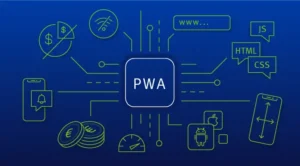
By running quarterly checks with RUM tools – such as Google Lighthouse, WebPageTest and Chrome UX Report, you can take action to stay fast. Enable PWA features so that the app works offline, caches content using a service worker and loads instantly on repeated visits. Training development teams how to work for speed, combined with automated testing pipelines, guarantees that websites will continue to perform well and inspire both confidence and trust in visitors and stakeholders.
8. Ensuring Web Accessibility Compliance
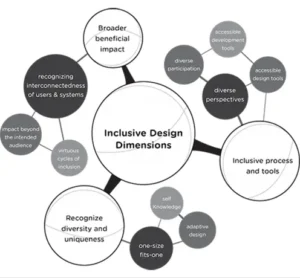
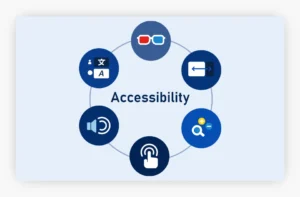
2026 is both a legal and ethical necessity. An estimated 20% of the world’s population has some form of disability. Websites that do not comply to the accessibility standards can exclude these individuals, incur a tarnished reputation and possible legal violations. Inclusive design is a statement of accessibility and trust, it’s expanding your reach in the marketplace.
Key Accessibility Features for 2026
It is necessary to adhere with the WCAG 2.3 AA such as for perceivable content (e.g., high contrast modes, scalable fonts), operable interfaces (keyboard and voice navigations), understandable information (clear language, consistent interface) and robust technical compatibility for assistive software tools. Use ARIA landmarks, convenient focus management, and ensure your focus indicators are clear. Multimedia should be captioned, audio-described and transcribed to maximize engagement.
Ongoing Testing and Maintenance
Accessibility is an iterative process. Automated auditing using tools like Axe, WAVE and Lighthouse paired with manual testing on screen readers like NVDA, VoiceOver and TalkBack. Through programs like Fable, recruit users with disabilities to test in the real world. Continue to have periodic access checks built into the site updates process – this is just checking that the new functionality or content meets standards. Proving your long-term commitment to accessibility will strengthen your brand as caring, thoughtful and forward-thinking – adding legitimacy in the eyes of everyone who visits.
9. Adopting Dark Mode Options
Dark mode is now an expected feature of standard use in 2026. It is being increasingly adopted across the system, especially by mobile-first users who are looking for easy-on-the-eyes, power-saving, and stylish design. Providing a few options for the dark mode easily, shows that the owner care about users preferences and your site looks modern and professional.
Designing Effective Dark Interfaces
Use true black (#000000) or near-black backgrounds, paired with raised card layers and gentle shadows to create depth. Accent colours must be bright without being over the top, they should establish visual hierarchy and not distract. Text contrast should be high to keep it readable on a variety of screens and under different lighting conditions. Testing on multiple screens makes sure that consistency doesn’t lead to washed-out screen, and compliance with color accessibility standards is being met.
User-Centric Implementation
Add a natural looking toggle in headers and settings menus, saving choices as cookies or in local storage. System-Detectable Preferences Auto-detect with prefers-color-scheme and: allow manual override. Add a neutral “auto” setting in which things can go either way.
10. Incorporating Subtle Micro-Interactions
In 2026, micro-interactions aren’t just for aesthetics. They provide feedback, enhance usability, and show a designer’s attention to detail on their user’s experience. Subtle animations and feedback are designed to develop trust, reward the user’s actions, influence their future behaviours, and comfort them through the delivery of reassurance.
Practical Applications for Business Websites
Buttons can react on hover via mild color changes, growing or shadow highlights which communicates that you can click it. Inputs need to show focus styling, as well as instant validation feedback, so that users don’t feel like they’re interacting with a very broken form. Loading screens can be enhanced with skeleton placeholders, progress bars, or seamless fade-ins to convey speed. Certain page transitions, parallax effects and subtle movements of content are good ways to add interactivity without negatively affecting overall performance. Animations that provide some form of affirmation such as checkmarks and toast messages give users positive feedback about their interactions and show the user that their goal has been achieved.
Performance and Accessibility Considerations
Prefer task-based CSS animations to script-heavy libraries. Try writing applications with UI element animations completely blind to any rendered result before running it on a client device Honor user preferences for reduced motion (motion reduction) as determined by the prefers-reduced-motion CSS media feature. Validate the micro-interactions on all devices for a smooth experience. Well-executed, these elements subtly express attentiveness and professionalism augmentative shaping the perception of quality without sacrificing the seamless trust that visitors have come to expect from modern business websites.
Conclusion
Wrap Up So there you have our well-thought-out guide on designing trust and credibility in modern business websites in 2026 — and as you can see, the key to success is an intentional, multi-faceted approach. Websites need to be more than just good looking to instil trust with visitors; they also need to function, be secure, usable and responsive. If your site is clean and professional, you can go with something dynamic to meet personal or portfolio style. Solid trust elements, open policies and genuine testimonials (these); make for great social proof which comforts prospects that you are what they’re looking for… paired with beautiful custom imagery and interesting navigation which leads to success.
This is an appealing glimpse into the future of digital experiences in 2026. The digital product has evolved to show a commitment by brands to care for their customers through various accessibility and inclusivity features, such as creating dark and light theme options. The user interface should be calming yet maintain a contemporary and stylish look.
For companies that operate in competitive markets like Dallas, Creasions Digital is still the go-to resource for quality services such as expert web design dallas and website design dallas. We bring proven theories, future-ready 2026 trends and tailored tactics to create site experiences that connect with visitors and business objectives. Betting on credibility, performance and user-centric innovation can make companies grow steadily, get closer to customers and last longer in a world that changes every day. Adopt them and your website will be more than just a functional, pretty online component: It’ll also be one people trust, respect and remember for years on end.